
Plastic pallets
Plastic pallets from Q-Pall have proven to be essential elements in modern storage and logistics processes. Our pallets, known for their versatility, durability, and eco-friendliness, are the first choice for companies striving for operational efficiency and sustainability. No longer limited to wooden pallets, these innovative plastic pallets are now a preferred alternative for transporting and exporting loads.
+31 (0)413 353 111

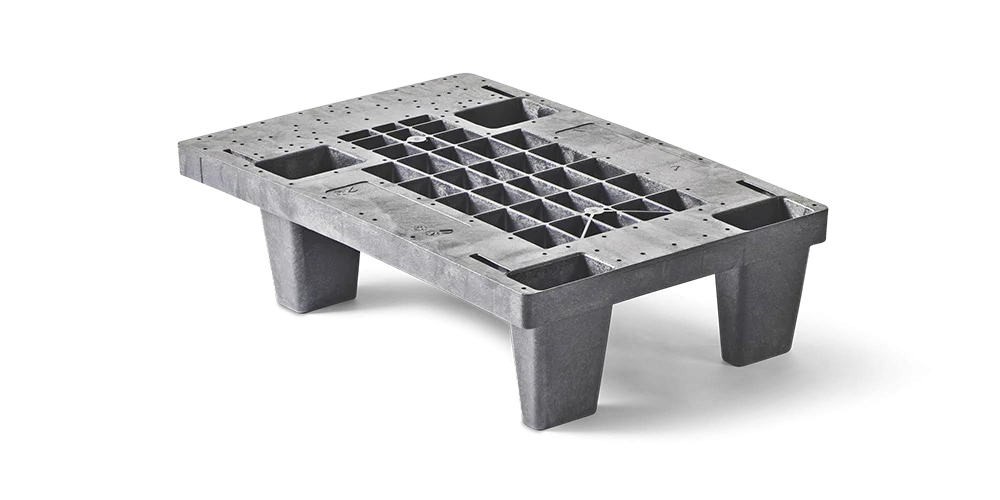
- Dimensions: 600 x 400 x 155 mm
- Static: 500 kg
- Dynamic: 250 kg
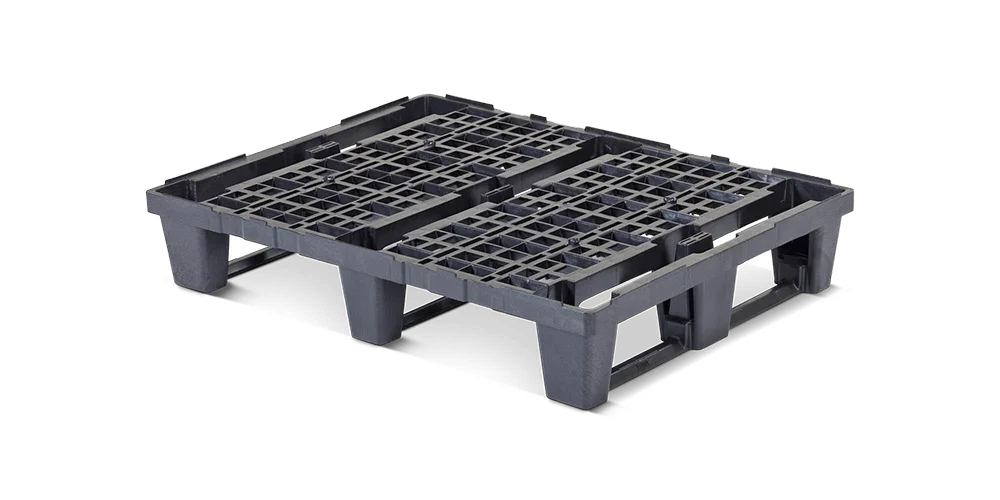
- Dimensions: 800 x 600 x 145 mm
- Static: 500 kg
- Dynamic: 350 kg
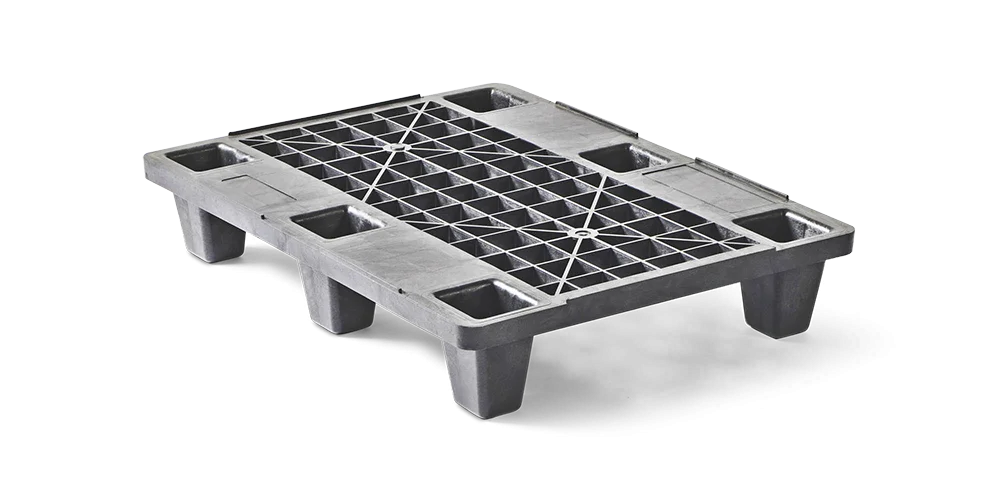
- Dimensions: 800 x 600 x 143 mm
- Static: 1000 kg
- Dynamic: 500 kg
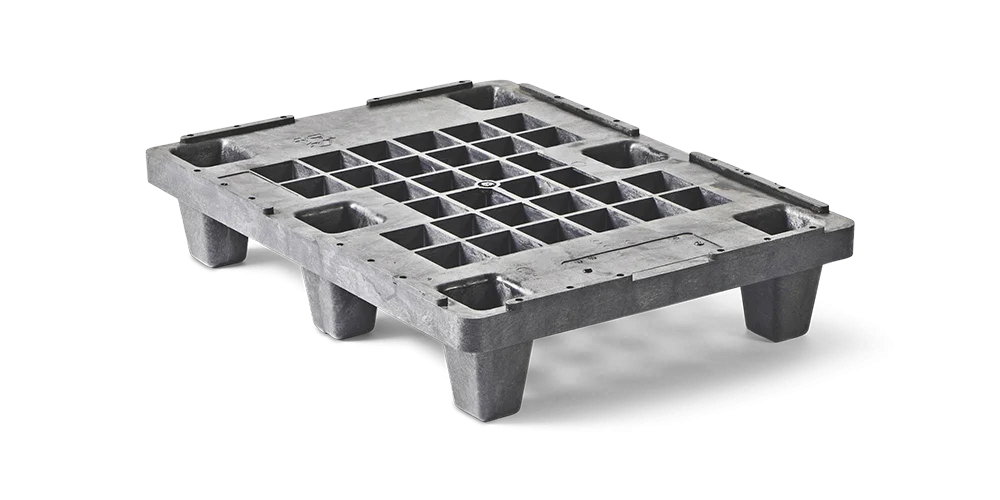
- Dimensions: 800 x 600 x 155 mm
- Static: 1000 kg
- Dynamic: 600 kg
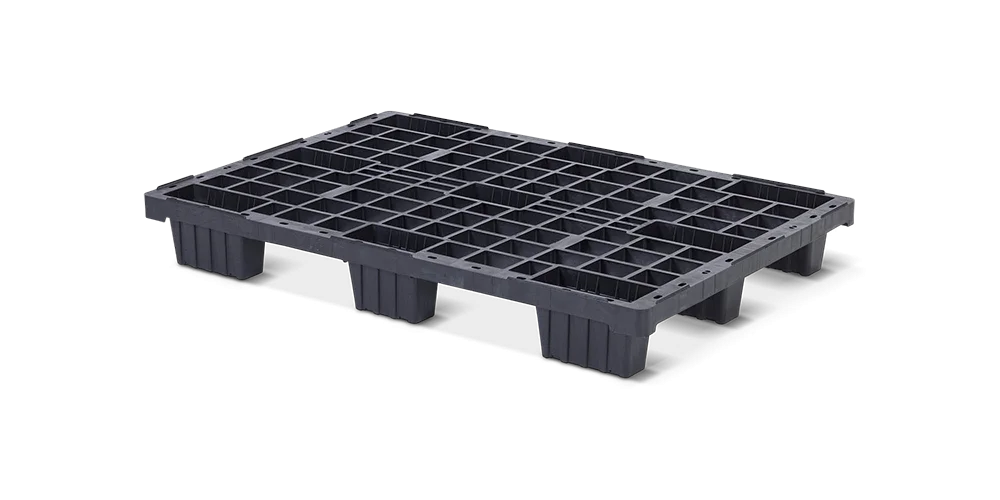
- Dimensions: 1200 x 800 x 150 mm
- Static: 2500 kg
- Dynamic: 1000 kg
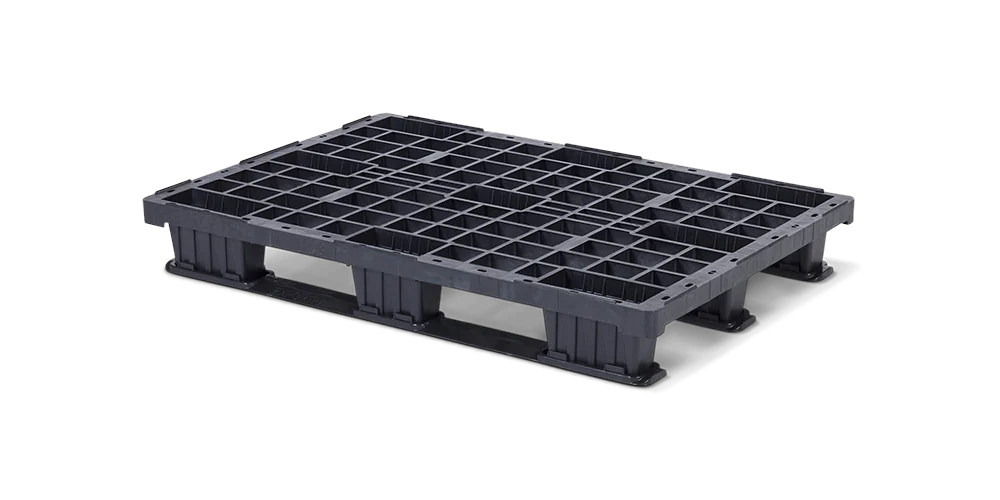
- Dimensions: 1200 x 800 x 150 mm
- Static: 2500 kg
- Dynamic: 1000 kg
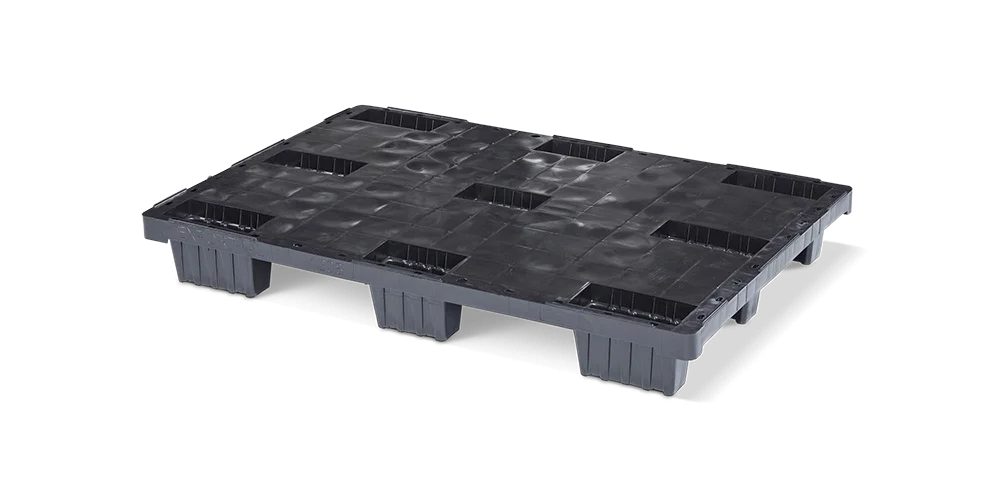
- Dimensions: 1200 x 800 x 150 mm
- Static: 2500 kg
- Dynamic: 1000 kg
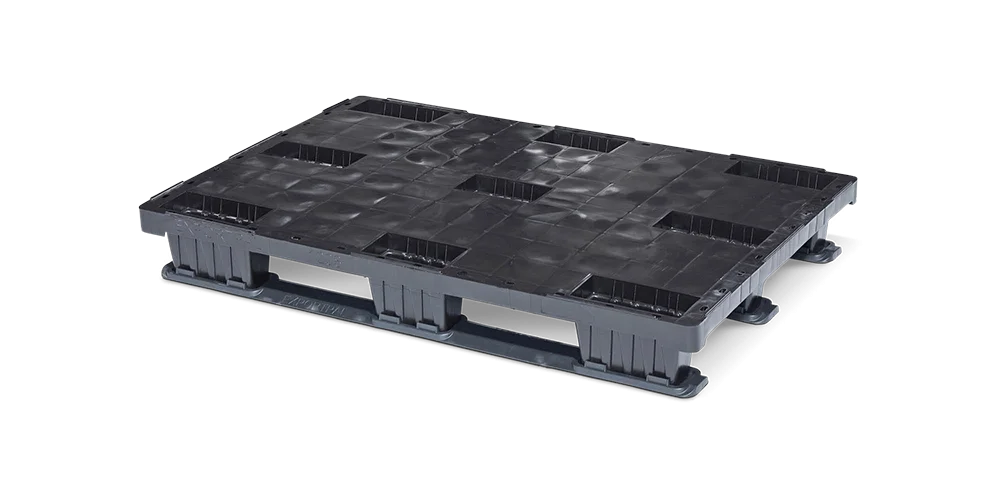
- Dimensions: 1200 x 800 x 150 mm
- Static: 2500 kg
- Dynamic: 1000 kg
Why Plastic Pallets: Advantages of Plastic Pallets
The new plastic pallets are distinguished by their premium quality, high load capacity, and robust construction. Thanks to advanced production technologies, they can support heavy loads just like wooden pallets and provide secure transportation both inside and outside your warehouse.
- Lightweight, versatile, and safe for storage
In addition to their high load capacity, plastic pallets are remarkably lightweight and durable, making them ideal for use in high-bay warehouses. Standard dimensions ensure compatibility with common systems, while additional options such as clip-on edges or anti-slip surfaces offer extra security and reliability for your goods. They are also easy to clean and fit perfectly in warehouse racks. - Exceptionally durable and eco-friendly
Unlike traditional wooden pallets, plastic pallets maintain a consistent weight as they do not absorb moisture and are resistant to mold and insect infestation. This makes them suitable for the food industry. These properties not only extend their lifespan but also lead to significant cost savings. Therefore, they are also ideal for use in automated processes, such as in the beverage industry. Our commitment to sustainability is evident: the pallets are made from 100% recycled plastic and are fully recyclable at the end of their lifecycle, contributing to a reduced environmental footprint. - Custom plastic pallets for specific needs
We meet various business needs with custom-made plastic pallets. Whether it's specific dimensions, load capacity, or unique features such as RFID, track-and-trace options, or anti-slip coatings, Q-Pall provides plastic pallets perfectly tailored to your specific applications. Our pallets can also be designed with high load capacity and, upon request, a lid for outdoor storage. Color customization is also available. - Wide range of standard sizes and designs
With a comprehensive range of over 150 different plastic products, we offer the most diverse selection on the market. From pallets for light goods to heavy-duty industrial products, Q-Pall ensures you always have the right pallet for every situation. They are highly resistant with a strong load capacity.
At Q-Pall, we offer a broad program of plastic pallets. This diversity ensures that you can find the right plastic pallet for your specific needs, whether it's for simple product displays or to meet strict hygiene and safety standards.
The production of plastic pallets and their impact on the CO₂ footprint
Environmental protection is a crucial issue today, and the impact of CO₂ emissions on climate change is a growing concern. Increased CO₂ emissions contribute to global climate changes. The CO₂ footprint, often called the carbon footprint, measures the amount of CO₂ equivalents emitted through activities such as transportation, electricity generation, and heating.
At Q-Pall, we focus on minimizing the CO₂ footprint of plastic pallets with a holistic approach. The key to this solution is twofold:
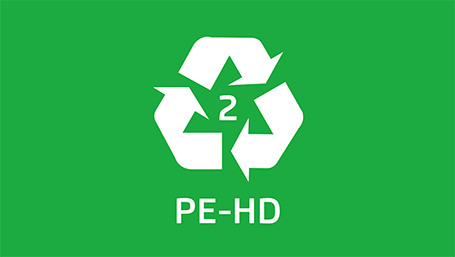
- The use of 100% recycled HDPE, also known as PE-HD polyethylene, eliminating the need for new raw materials.
- Reducing transport emissions by focusing on local production and distribution of both raw materials and finished products.
The shift to plastic pallets is a sustainable decision that helps reduce CO₂ emissions and waste. Plastic pallets are not only more eco-friendly than traditional pallets but also offer economic benefits due to their long lifespan and maintenance-free nature. Their lightweight design allows for transporting more cargo with less fuel consumption, leading to lower operating costs and a reduced carbon footprint — all without compromising load capacity.
Our local production strategy for plastic pallets
Q-Pall is committed to a local production strategy for plastic pallets. By sourcing raw materials locally and distributing molds across various production sites in Europe, Q-Pall significantly reduces transport-related CO₂ emissions. This strategy not only supports the environment but also saves costs by lowering transport expenses, keeping pallet prices competitive, and further reducing the company's ecological footprint.
Our range and types of plastic pallets summarized
Q-Pall offers a versatile selection of plastic pallets designed to meet a wide variety of industrial needs. Each model is carefully crafted to deliver optimal performance across multiple applications.
- For companies seeking sustainable, long-lasting solutions, Q-Pall provides reusable plastic pallets, commonly used as pooling pallets for warehouses. There are also single-use pallets, often used as export pallets for one-way shipping purposes. All prices are exclusive of VAT.
- Specialized solutions for the chemical industry: We offer a comprehensive range of CP pallets that meet the highest safety and quality standards required in the chemical sector. Examples include CP1, CP3, and CP9 pallets, with open-deck options.
- Perfect for product presentation: Our display pallets are available in smaller dimensions for simple and effective product presentations, also available with edges. These pallets have minimal weight and are made from HDPE plastic.
Our standard and specific dimensions summarized
Our range includes plastic pallets in various standard sizes suitable for a broad spectrum of applications:
- Euro pallets (800 x 1200 mm)
The most common plastic pallet size, offering a reliable alternative to wooden pallets for multiple logistics purposes. - Industrial pallets (1000 x 1200 mm)
Ideal for heavier and larger loads, yet still lighter than wooden pallets. - Custom sizes and load capacities
For specific needs, Q-Pall offers non-standard sizes like:- 1140 x 1140 mm for sea freight
- 1200 x 1200 mm for drum storage
- 1100 x 1300 mm for the canning industry
- Display pallets in 600 x 400 mm or half euro size (600 x 800 mm)
Additional options and customized plastic pallets
Beyond the standard formats, customers can choose between custom-made pallets and pallets with specific features, including:
- Open or closed deck: Depending on ventilation or solid surface requirements.
- Nestable pallets: For space-saving during storage and transport.
- Pallets with skids: For additional support and stability.
- Custom markings and colors: To match company branding or identification needs.
- Anti-slip surfaces and ESD options: For enhanced safety and specific industrial use.

Frequently asked questions (FAQ)
1. Material choice & application
The exact composition depends on the intended use:
- Standard & pool pallets: Made from recycled material for maximum sustainability and durability.
- Food safety (HACCP): For direct contact with food, we use no recycled material, but exclusively virgin PP or HDPE.
2. Recycling & circularity
Because our pallets consist of 100% plastic, they are fully recyclable at the end of their service life. This supports a circular process: your old pallet becomes the raw material for a new Q-Pall pallet.
Plastic is naturally an insulator, meaning friction can cause a static charge to build up. While this is less dangerous than an ESD discharge, it is highly undesirable for many logistics processes.
1. What are the disadvantages of static charge?
A statically charged pallet acts like a magnet for dirt. This creates two primary problems in the supply chain:
- Hygiene & quality (dust): The charge attracts dust and dirt from the environment. This can affect the quality of the packaging or the product, which is unacceptable, especially in 'clean' environments.
- Shocks & electronics: Employees may experience unpleasant shocks upon contact, and sensitive electronics can be disrupted.
2. The solution: Antistatic additives
To prevent this, Q-Pall can optionally provide your pallets with synergistic antistatic additives.
These additives are mixed into the plastic during production and ensure that the surface resistance is lowered. As a result, static charge cannot build up, keeping the pallet clean (dust-repellent) and safe to use.
Do you experience dust accumulation or static issues in your warehouse? Contact us to discuss the possibilities for antistatic additives.
The carbon footprint of a plastic pallet expresses the total environmental impact in kilograms of CO2 equivalent (kg CO2 eq.). To make this impact transparent for you, official Environmental Product Declaration (EPD) documents are available for all Q-Pall pallets.
1. What does this emission consist of?
Greenhouse gas emissions occur at various stages of the life cycle. The greatest impact usually arises during:
- Raw material extraction: Obtaining the base material.
- Production: Energy consumption during the injection molding of the pallets.
- Transport: Logistics from raw material to factory and from factory to customer.
2. How Q-Pall reduces CO2
We minimize these emissions at every step of the process. By making intensive use of recycled plastics and organizing the 'end-of-life' process (full recycling of old pallets), we significantly lower the ecological footprint compared to wooden alternatives or virgin plastic.
Do you want to dive deeper into our sustainability strategy? Read all about our vision on recycling and reduction in our Orange Values.
When selecting a plastic pallet, the choice of the top deck is decisive for functionality. You can choose between an open structure (gridded) for weight savings or a closed deck for hygiene and load capacity.
1. Open top deck
A pallet with an open structure contains holes or grids in the deck.
- Advantage: Less material usage makes the pallet lighter and often more cost-efficient.
- Application: Ideal for export, general logistics, and situations where every kilogram counts.
2. Closed top deck
These pallets have a completely solid surface, often with a smooth finish.
- Advantage: Higher load capacity and superior hygiene. The solid deck prevents dirt or liquids from seeping through to goods underneath.
- Application: Essential for the meat processing industry, pharmaceuticals, and environments with strict hygiene requirements (HACCP).
Are you unsure which type of deck best fits your logistics process? Contact us to review the specifications for your application.
Yes, it is possible to fully customize your plastic pallets with your company logo or in your own corporate color. This not only increases brand recognition but also acts as a preventive measure against theft and loss in the supply chain.
1. Applying logo and text
To place your logo or ownership mark, we use various techniques, depending on the desired look and durability:
- Hot stamping: The logo is pressed into the plastic using heat (highly wear-resistant).
- Screen printing: For detailed, colored logos.
- In-mould: The logo is processed directly into the mold during the casting process (permanent relief marking).
2. Pallets in color (RAL)
We can produce pallets in almost any desired color. However, the choice of material is decisive here:
- Virgin material: Any specific corporate color is possible.
- Recycled material: Due to the dark base color of the recyclate, light or specific colors are often limited (usually black or anthracite).
Do you want to know the costs for personalizing your batch? Contact us to discuss your wishes and the technical possibilities.
The price of a plastic pallet is not a fixed figure, but a sum of specifications. Although the initial purchase price is often higher than wood, the Total Cost of Ownership (TCO) is frequently lower due to the long lifespan.
1. The 4 price-determining factors
The final cost price per pallet is determined by:
- Material: Virgin material (new) is more expensive than recycled plastic.
- Weight & type: A heavy-duty pallet contains more raw material (and is therefore more expensive) than a lightweight export pallet.
- Volume: For larger purchases (full truckloads), the price per unit drops significantly.
- Logistics: Transport costs weigh heavily on the final price.
2. The Q-Pall location advantage
Transport is a major cost item and an environmental burden. Q-Pall minimizes this by producing at multiple locations in Europe. We deliver from the factory closest to your delivery address. This results in lower transport costs and significantly reduced CO2 emissions.
Do you want to know exactly where you stand? Request a quote for an accurate price calculation including transport to your region.