
Hygienic pallets
for optimal hygiene in food processing and pharmaceuticals
The hygienic pallets from Q-Pall are specifically designed for use in environments with strict hygiene requirements, such as the food and pharmaceutical industries. These pallets are also referred to as cleanroom pallets when utilized in sterile environments. A well-known example of this is the H1 pallet, which is widely used in the food industry.
+31 (0)413 353 111

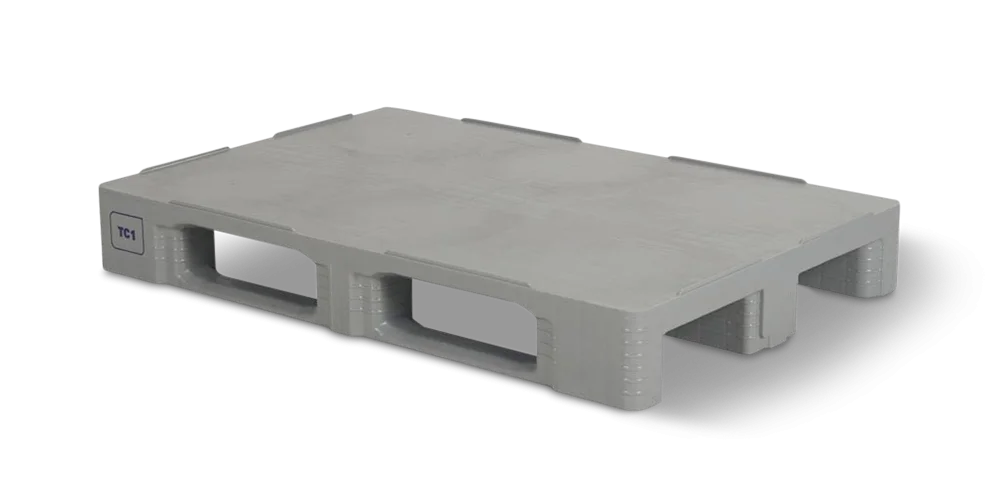
- Dimensions: 1200 x 800 x 160 mm
- Static: 7500 kg
- Dynamic: 1500 kg
- Racking: 1000 kg
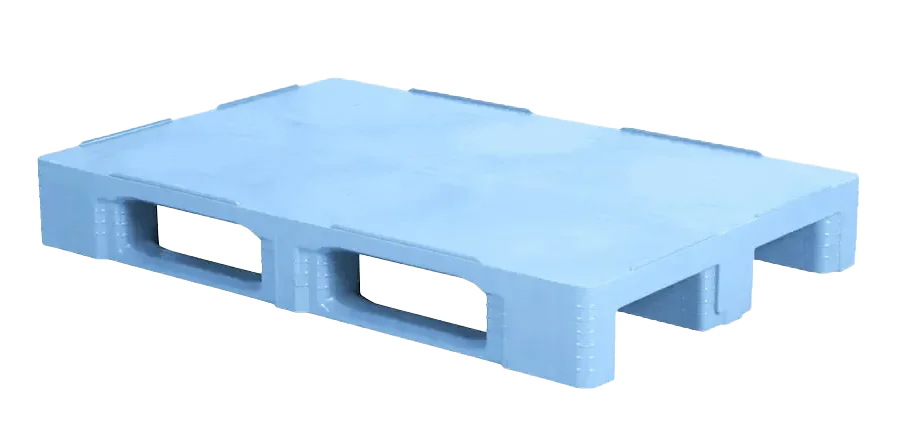
- Dimensions: 1200 x 800 x 160 mm
- Static: 7500 kg
- Dynamic: 1500 kg
- Racking: 1000 kg
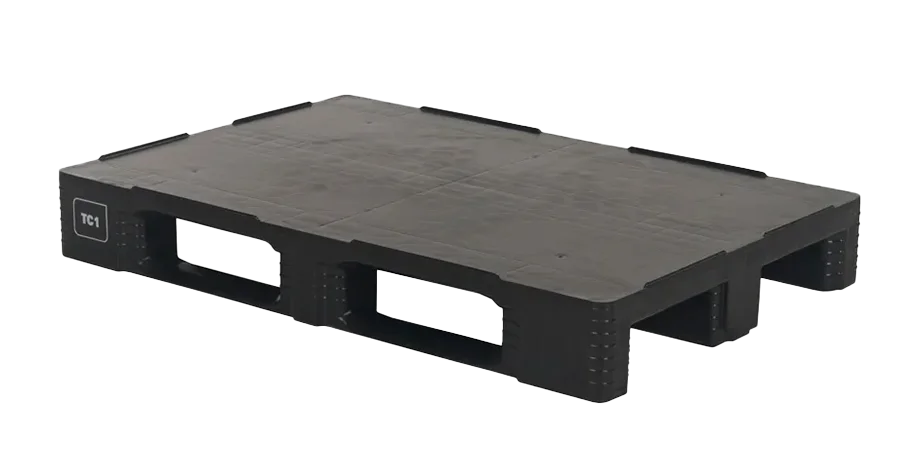
- Dimensions: 1200 x 800 x 160 mm
- Static: 7500 kg
- Dynamic: 1500 kg
- Racking: 1000 kg
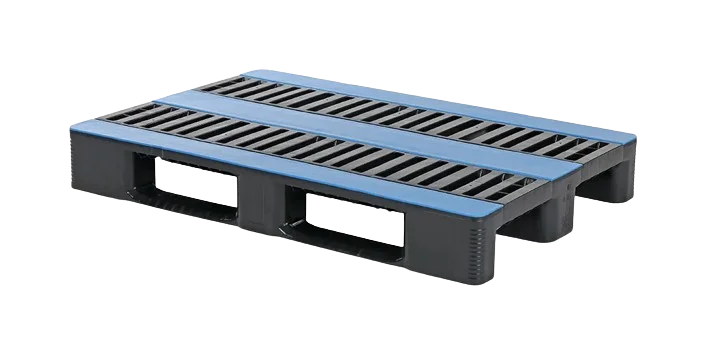
- Dimensions: 1200 x 800 x 160 mm
- Static: 7500 kg
- Dynamic: 1750 kg
- Racking: 1750 kg
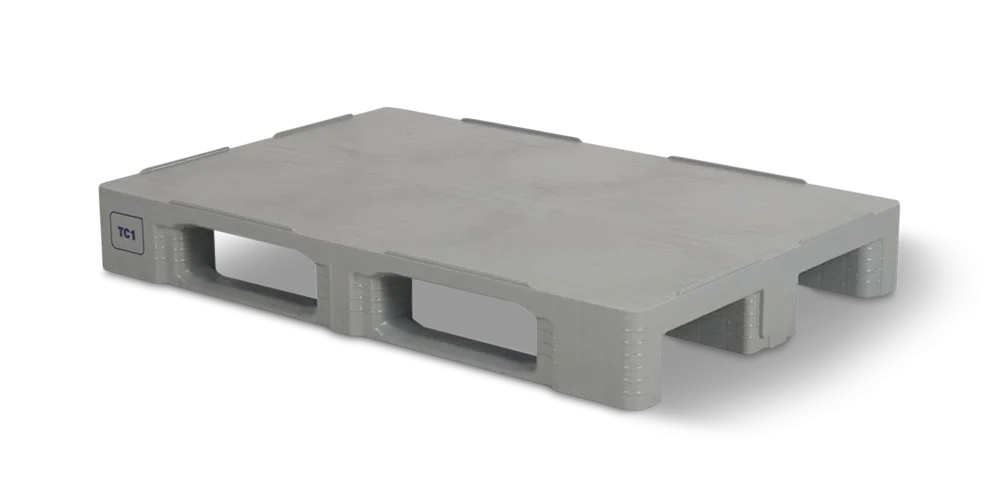
- Dimensions: 1200 x 800 x 160 mm
- Static: 7500 kg
- Dynamic: 1500 kg
- Racking: 1750 kg
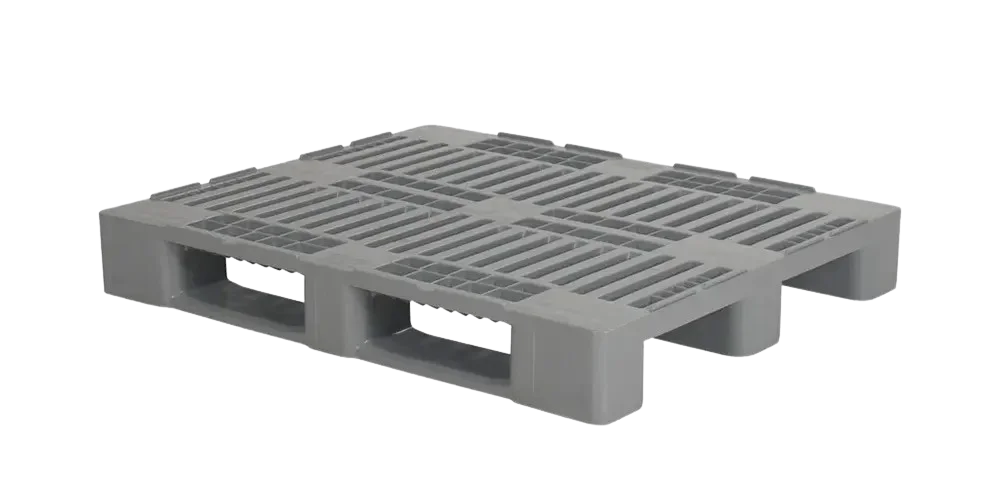
- Dimensions: 1200 x 1000 x 160 mm
- Static: 7500 kg
- Dynamic: 1250 kg
- Racking: 1000 kg
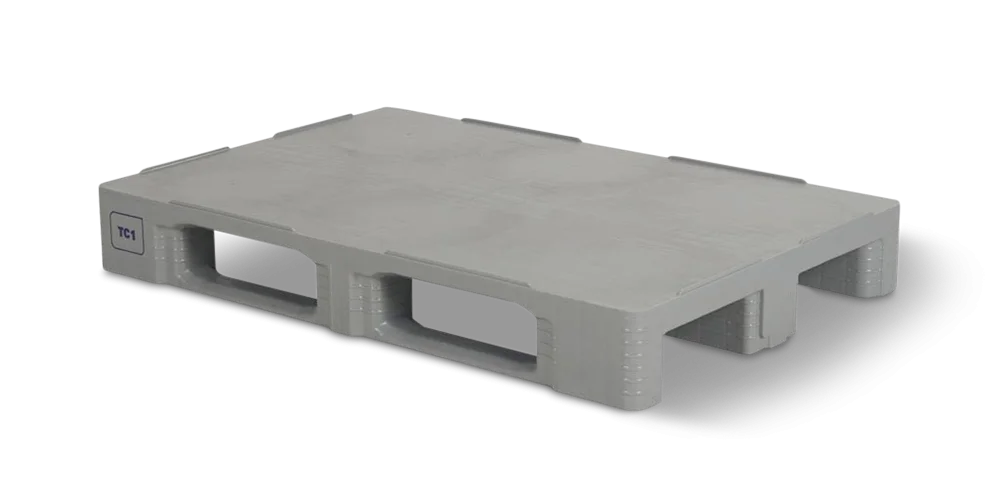
- Dimensions: 1200 x 1000 x 160 mm
- Static: 7500 kg
- Dynamic: 1500 kg
- Racking: 2000 kg
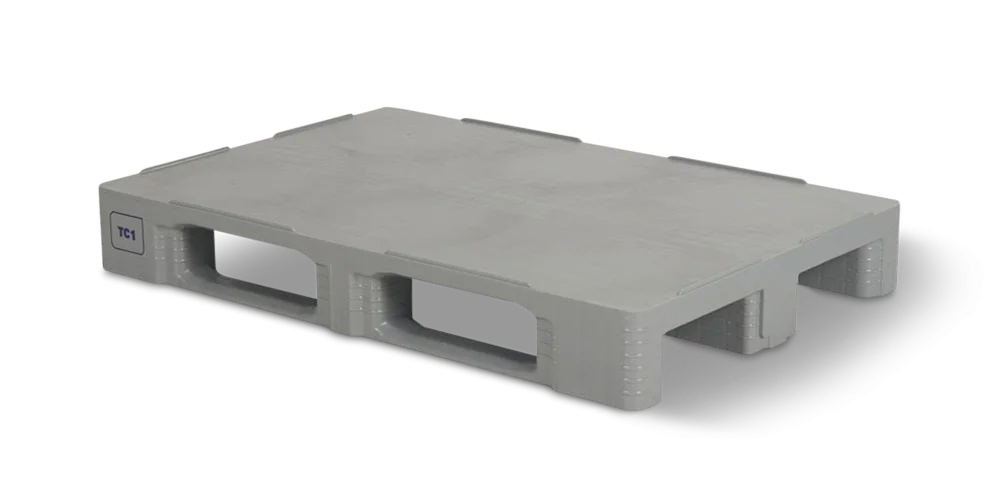
- Dimensions: 1200 x 1000 x 160 mm
- Static: 7500 kg
- Dynamic: 1500 kg
- Racking: 1250 kg
What distinguishes hygienic pallets from other plastic pallets is their often completely smooth and closed design. This makes them extremely easy to clean and prevents dirt, bacteria, or moisture from accumulating. Because these pallets frequently come into direct contact with food, they are usually manufactured from virgin material, making them completely food-safe. Furthermore, they are 100% recyclable, thus contributing to a sustainable, circular economy.
Applications of plastic hygienic pallets
Plastic hygienic pallets are used for the transport and storage of goods in sectors where a high level of hygiene is required. These include:
- Food industry: For the transport and storage of meat, fish, vegetables, dairy, and other food products.
- Pharmaceutical industry: For cleanroom applications where sterile conditions are essential.
- HACCP environments: Companies that must comply with strict HACCP guidelines, such as butchers, hospitals, nursing homes, and prisons.
Thanks to their hygienic properties, these pallets meet the highest standards and support companies in complying with legal requirements and hygiene protocols.
Advantages of hygienic pallets
1. Hygienic and easy to clean
Hygienic pallets feature completely smooth surfaces and a closed design, meaning that both the top deck and the runners have no gaps or crevices where dirt and bacteria can accumulate. This makes them ideal for applications in food processing and pharmaceuticals.
- Completely smooth and closed design: Prevents the adhesion of dirt and bacteria.
- Easy to clean: Suitable for intensive cleaning processes and resistant to chemical cleaning agents.
- Prevents contamination: Ideal for use in sterile environments and HACCP processes.
2. Made from virgin material and fully recyclable
Because hygienic pallets often come into direct contact with food, they are typically manufactured from virgin plastic. This ensures they are food-grade and prevents potential contamination. Additionally, these pallets are fully recyclable, contributing to a circular economy and overall sustainability.
- Food-safe: Suitable for direct contact with food products.
- Eco-friendly: Made from sustainable materials and 100% recyclable.
3. No pests or mold formation
Unlike wooden pallets, which have a porous structure, hygienic pallets are made of plastic. As a result, insects, such as nematodes, and mold cannot nest or reproduce within the pallet.
- No moisture absorption: Prevents mold formation.
- Pest-free: Pests cannot nest in the smooth surfaces.
4. No splinters or protruding parts
Wooden pallets can contain splinters, nails, or other protruding parts, which are not only harmful to the goods but can also damage packaging, thereby compromising hygiene. Plastic hygienic pallets eliminate all these disadvantages:
- Safe for products: No risk of damaging the load or packaging.
- Safe for employees: No splinters or sharp edges, making them ideal for manual handling.
Hygienic pallets and HACCP guidelines
Companies that produce or process food are required to implement an HACCP (Hazard Analysis Critical Control Points) system. This system prescribes strict hygiene standards to prevent contamination. Hygienic pallets are an essential element in adhering to these standards:
- Prevents contamination: Thanks to the smooth, closed design.
- Suitable for food safety: Ideal for companies active in the food and hospitality industries.
- Easy to disinfect: Supports companies in maintaining optimal hygienic processes.
Pests cannot nest in hygienic pallets
The material of plastic pallets is perfectly flat and non-porous. This prevents insects from nesting inside the pallets, an issue commonly associated with wooden pallets. Wood naturally has a porous structure that absorbs moisture, dirt, and bacteria. Bacteria and pests, such as the pinewood nematode, thrive in the moist, porous cavities between the wood fibers. As temperature and humidity levels rise, pest populations can grow explosively.
Reduced risk of splinters and damage with hygienic pallets
Wooden pallets frequently contain splinters or protruding nails. This not only increases the risk of damaging your valuable products but can also puncture packaging, putting hygiene at severe risk. Hygienic pallets provide a safe, smooth alternative.
Hygienic pallets are exceptionally easy to clean
Unlike wooden pallets, plastic pallets generally feature smooth surfaces. Hygienic pallets distinguish themselves from other plastic pallets because they are typically made from virgin material and have a completely smooth finish. This minimizes the adhesion of dirt and bacteria and makes cleaning significantly easier. Standard pallets may still have small corners and edges where dirt could eventually accumulate over time.
Questions about hygienic pallets? Contact us!
Do you have questions about which hygienic pallets best suit your business operations? Or would you like to know more about the options we offer, such as pallets made from virgin material or fully recyclable models? Our team of experts is ready to assist you!
Contact us via phone or e-mail, or fill out the contact form on our website. We will provide you with personalized advice and help you find the right pallet solution for your company.

Frequently asked questions (FAQ)
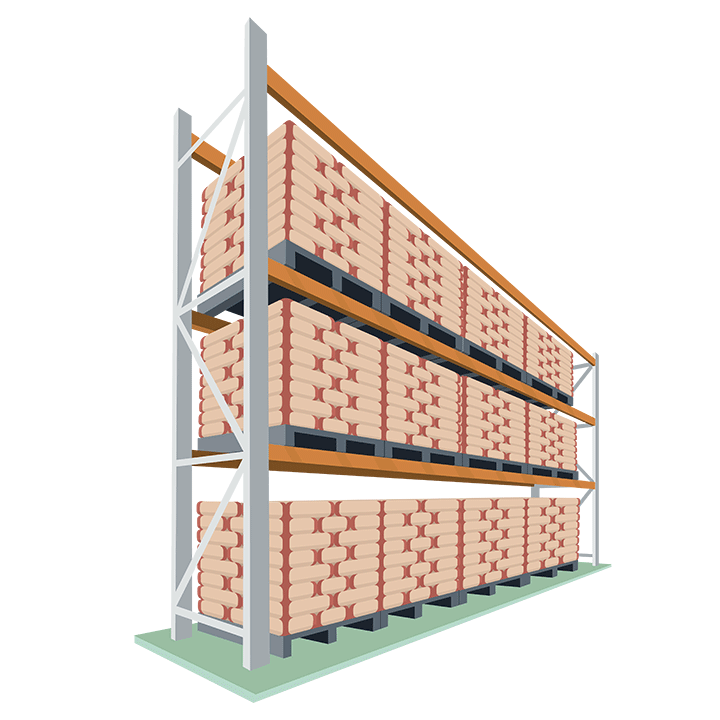
Racking Load (internationally known as Racking Load) is the maximum weight a pallet can bear when placed in a pallet racking system without decking or mesh shelves.
1. Why is this the most important value?
With this load, the pallet rests solely on the two beams of the rack (beam racking). The pallet effectively "hangs" freely in the center. This demands the utmost from the structural rigidity. Exceeding this weight leads to dangerous deflection or breakage.
2. How is this tested?
The specifications we state are based on a Uniformly Distributed Load (UDL).
During our tests, we load the pallet with 25 kg bags spread over the entire surface. This simulates a realistic practical situation.
Note: In the case of point loading (a heavy weight concentrated in one spot), the load capacity may be lower than the specified racking load; this must be tested in practice.
The carbon footprint of a plastic pallet expresses the total environmental impact in kilograms of CO2 equivalent (kg CO2 eq.). To make this impact transparent for you, official Environmental Product Declaration (EPD) documents are available for all Q-Pall pallets.
1. What does this emission consist of?
Greenhouse gas emissions occur at various stages of the life cycle. The greatest impact usually arises during:
- Raw material extraction: Obtaining the base material.
- Production: Energy consumption during the injection molding of the pallets.
- Transport: Logistics from raw material to factory and from factory to customer.
2. How Q-Pall reduces CO2
We minimize these emissions at every step of the process. By making intensive use of recycled plastics and organizing the 'end-of-life' process (full recycling of old pallets), we significantly lower the ecological footprint compared to wooden alternatives or virgin plastic.
Do you want to dive deeper into our sustainability strategy? Read all about our vision on recycling and reduction in our Orange Values.