
Beverage Pallets
Our beverage pallets are specifically designed load carriers for the beverage industry. These pallets are primarily used for the safe transport of heavy packaging under strict hygienic standards. Plastic beverage pallets are durable and specifically developed for operational efficiency in automated systems and a reduced ecological footprint.
+31 (0)413 353 111

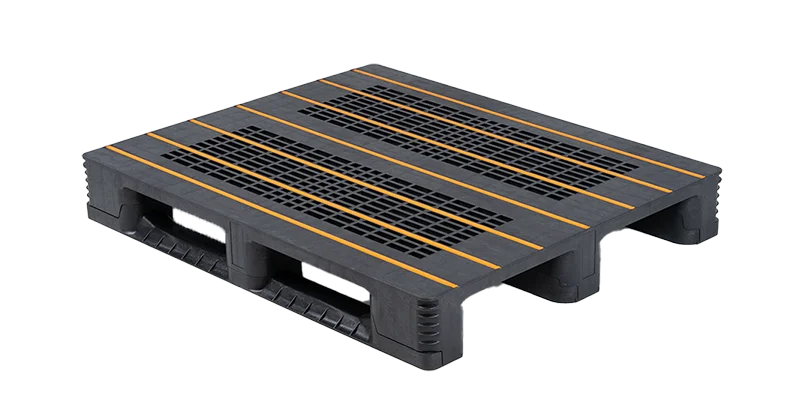
- Dimensions: 1200 x 1000 x 165 mm
- Static: 7500 kg
- Dynamic: 1500 kg
- Racking: 1250 kg
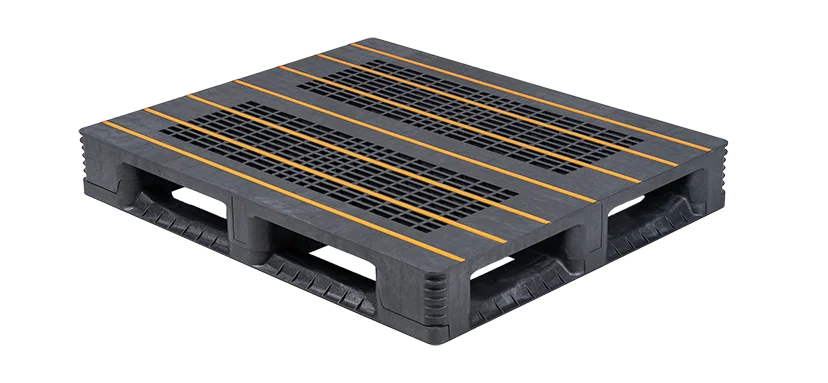
- Dimensions: 1200 x 1000 x 165 mm
- Static: 7500 kg
- Dynamic: 1500 kg
- Racking: 1375 kg
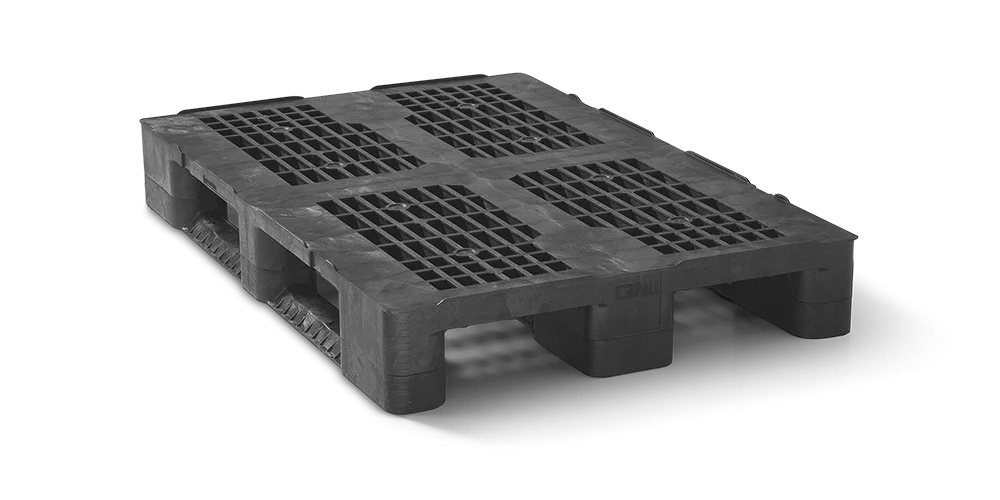
- Dimensions: 1200 x 800 x 159 mm
- Static: 7500 kg
- Dynamic: 1750 kg
- Racking: 1000 kg
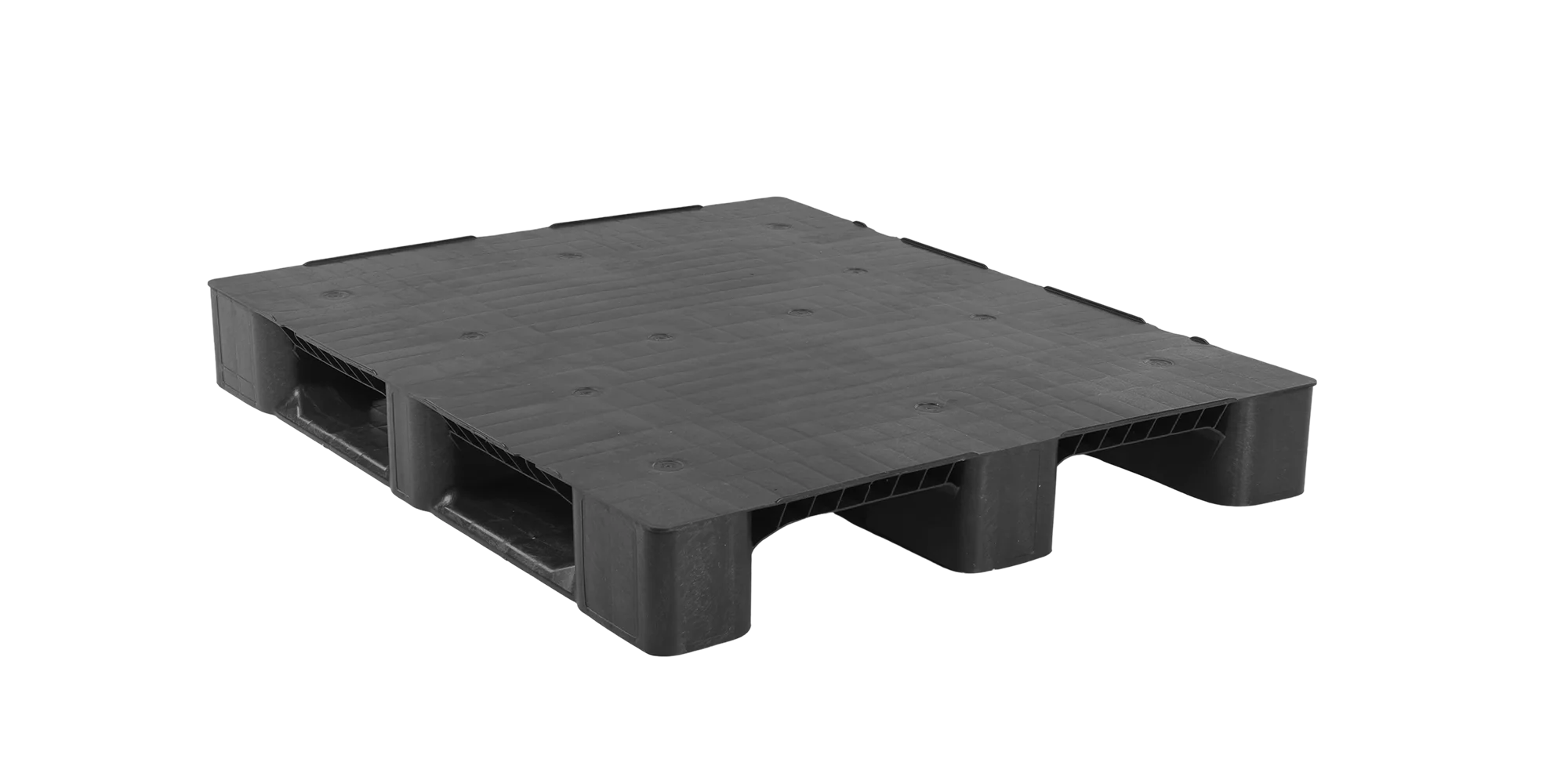
- Dimensions: 1200 x 1000 x 150 mm
- Static: 6000 kg
- Dynamic: 1500 kg
- Racking: 1250 kg
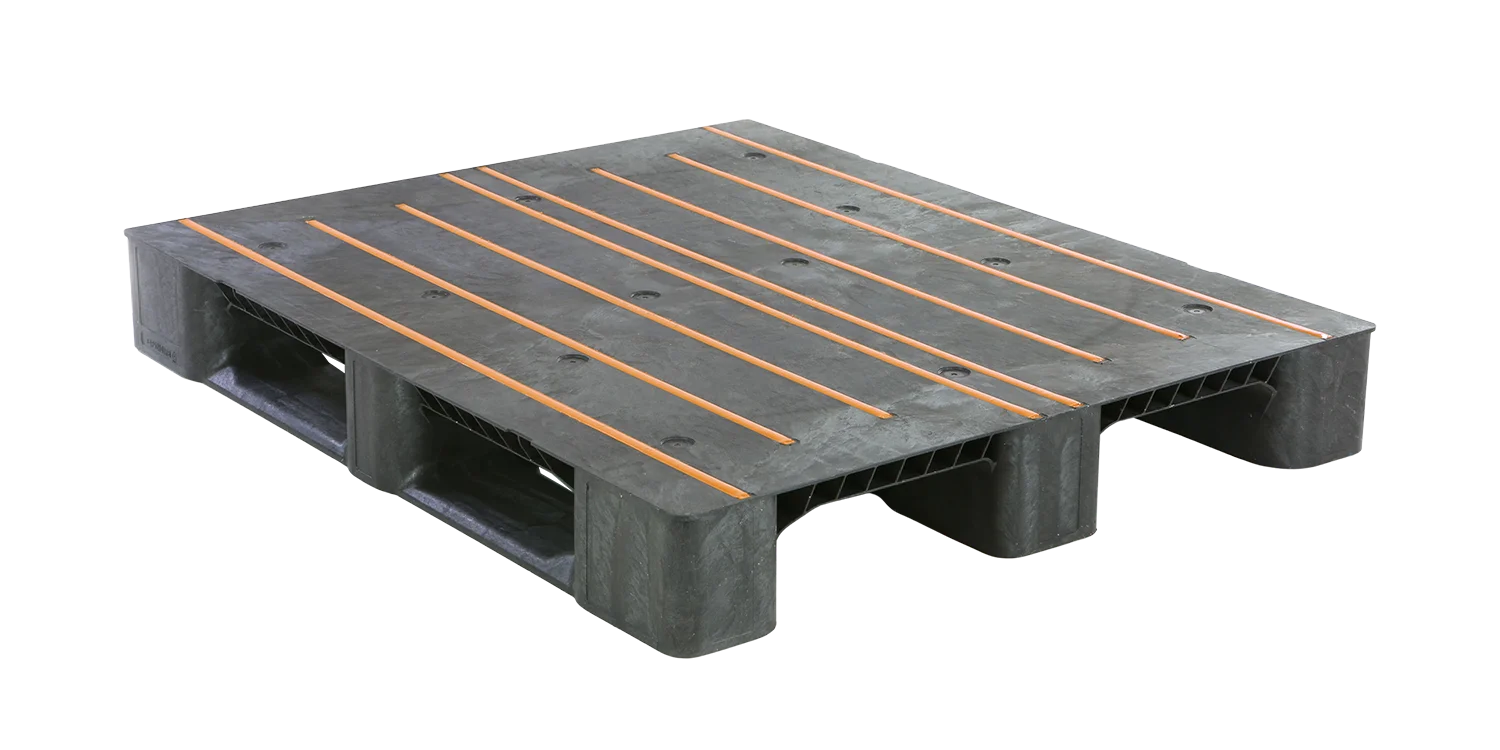
- Dimensions: 1200 x 1000 x 150 mm
- Static: 6000 kg
- Dynamic: 1500 kg
- Racking: 1000 kg
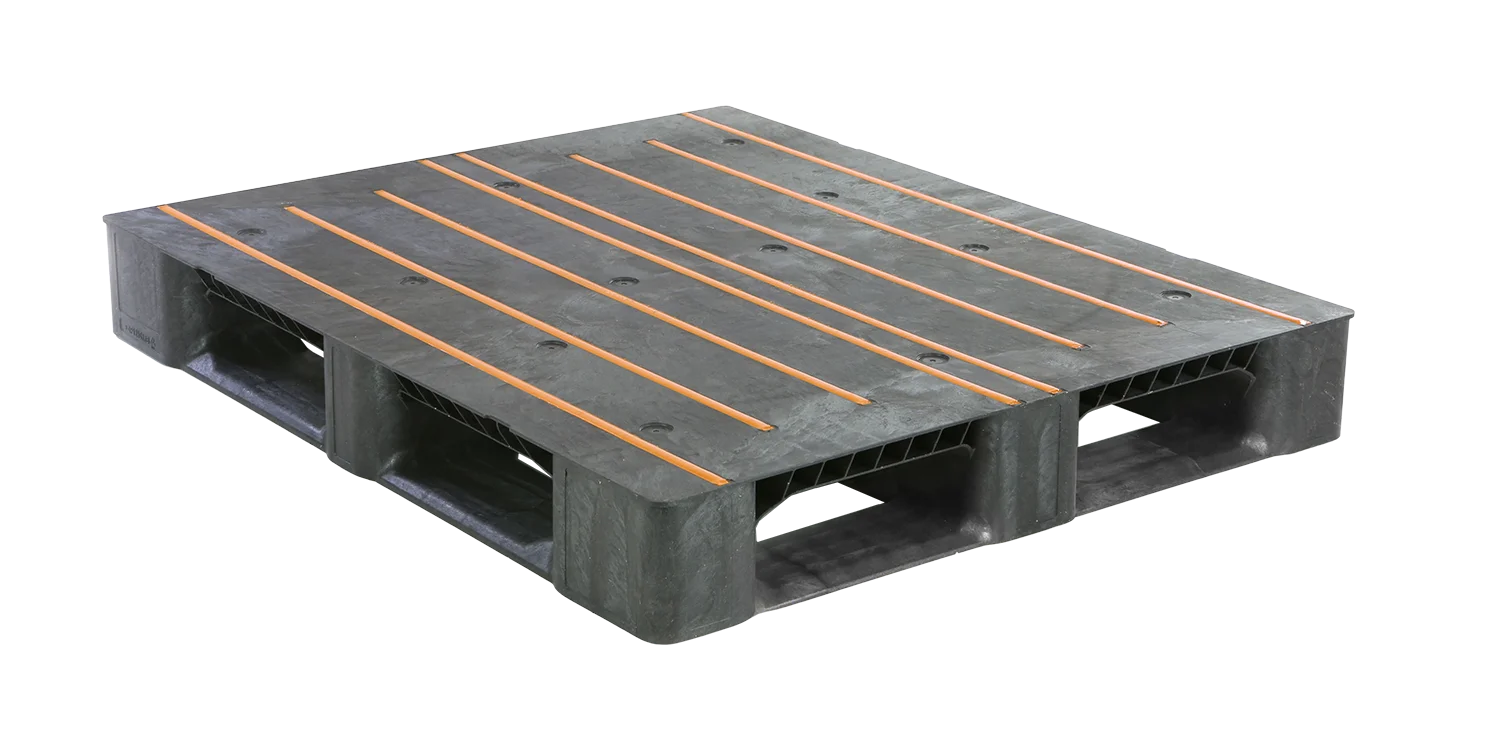
- Dimensions: 1200 x 1000 x 150 mm
- Static: 6000 kg
- Dynamic: 1500 kg
- Racking: 1000 kg
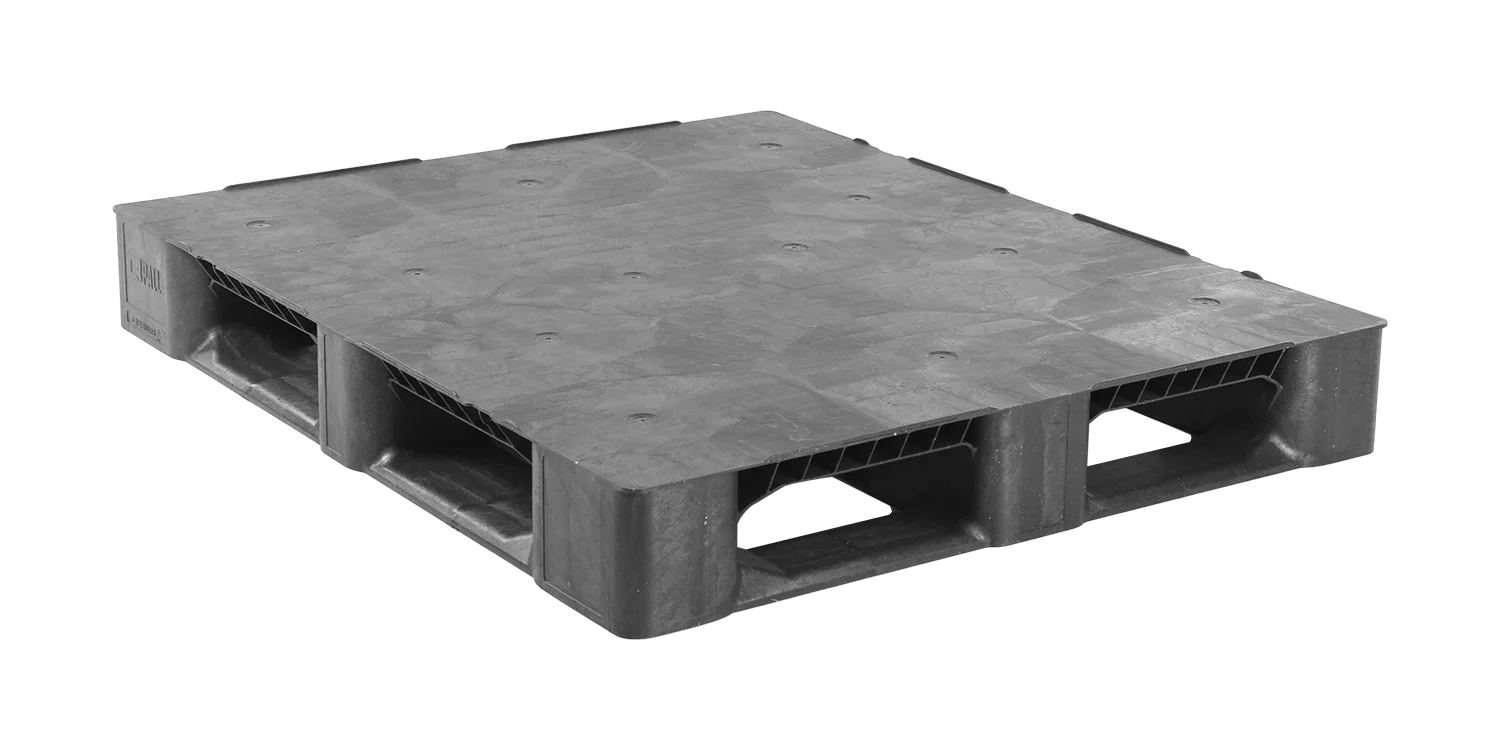
- Dimensions: 1200 x 1000 x 150 mm
- Static: 6000 kg
- Dynamic: 1500 kg
- Racking: 1000 kg

Frequently asked questions (FAQ)
The load capacity indicates the maximum weight a plastic pallet can safely bear. This is the most important specification for your choice, as overloading can lead to damage or unsafe situations.
1. What determines the load capacity?
The construction and the material used determine the strength of the pallet. A smartly designed plastic pallet combines a low tare weight with a high load capacity. However, a pallet with a higher load capacity is not by definition 'better'; it is about ensuring the specifications match your intended use.
2. The three types of load
Load capacity is never just one fixed number. In technical specifications, we distinguish between three situations:
- Static load: The maximum load when the pallet is stationary on the ground (e.g., during storage or stacking).
- Dynamic load: The maximum load during transport with a forklift or pallet jack.
- Racking load: The maximum load when the pallet is placed in a rack, supported by beams.
Note: The values for these three situations differ significantly per pallet.
Are you unsure which load capacity is required for your logistics process? Contact us; we are happy to help you find the right match between load and pallet type.
The carbon footprint of a plastic pallet expresses the total environmental impact in kilograms of CO2 equivalent (kg CO2 eq.). To make this impact transparent for you, official Environmental Product Declaration (EPD) documents are available for all Q-Pall pallets.
1. What does this emission consist of?
Greenhouse gas emissions occur at various stages of the life cycle. The greatest impact usually arises during:
- Raw material extraction: Obtaining the base material.
- Production: Energy consumption during the injection molding of the pallets.
- Transport: Logistics from raw material to factory and from factory to customer.
2. How Q-Pall reduces CO2
We minimize these emissions at every step of the process. By making intensive use of recycled plastics and organizing the 'end-of-life' process (full recycling of old pallets), we significantly lower the ecological footprint compared to wooden alternatives or virgin plastic.
Do you want to dive deeper into our sustainability strategy? Read all about our vision on recycling and reduction in our Orange Values.
An anti-slip pallet is specially developed for slippery packaging or unstable loads. The increased friction level of the top deck prevents goods from shifting during transport (dynamic load) or empty pallets from sliding away when stacking.
1. The material: TPE Polymer
Whereas standard pallets made of PE or PP can sometimes be too smooth, anti-slip pallets use a specific material to guarantee grip: TPE (Thermoplastic Elastomer).
The unique properties of TPE polymers are:
- Rubber-like grip: It combines the properties of rubber with the benefits of plastic, ensuring a high-friction contact surface.
- Wear resistance: TPE is tough and retains its friction properties even with intensive use and temperature fluctuations.
- Stability: It prevents dangerous situations caused by sliding loads in trucks or warehouses.
Do you struggle with sliding loads or are you looking for a specific anti-slip solution? Contact us to see which type of pallet best secures your load.