
Lightweight pallets for operational efficiency
The lightweight pallets from Q-Pall are essential elements for logistics processes focused on weight reduction and operational efficiency. These dimensionally stable plastic pallets are significantly lighter than traditional wooden alternatives, which not only reduces transport costs but also improves workplace ergonomics and overall sustainability.
+31 (0)413 353 111

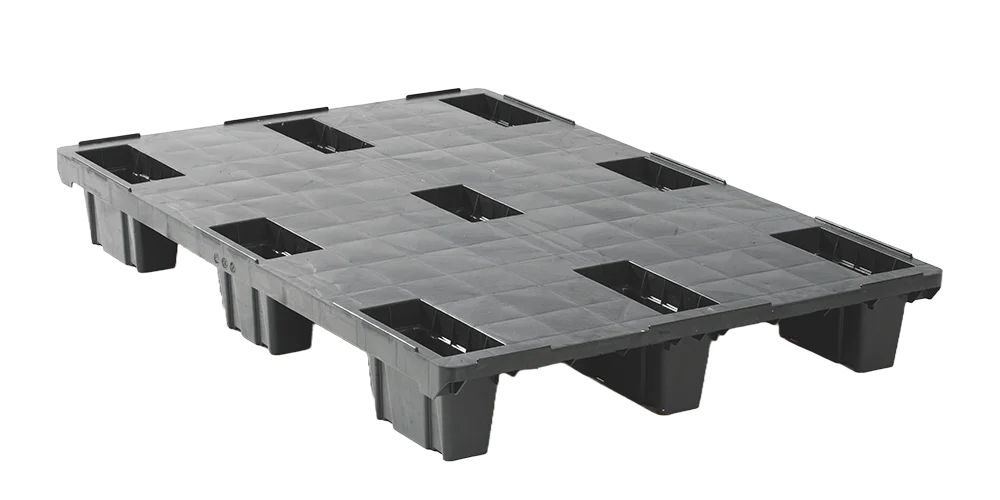
- Dimensions: 1200 x 800 x 150 mm
- Static: 2500 kg
- Dynamic: 1000 kg
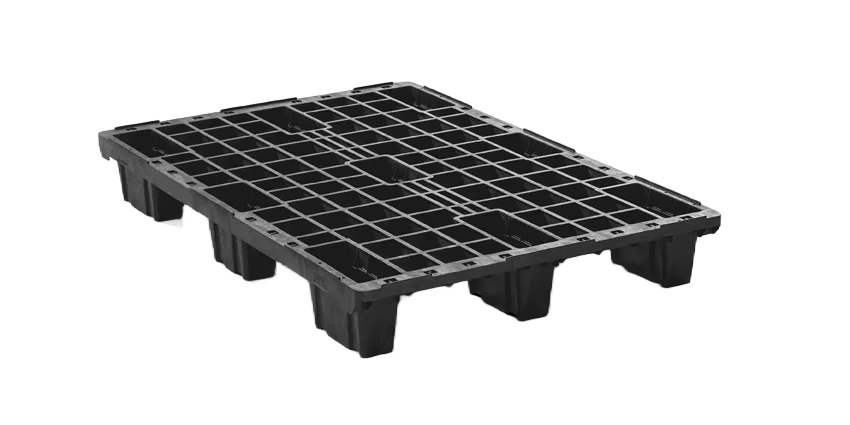
- Dimensions: 1200 x 800 x 150 mm
- Static: 2500 kg
- Dynamic: 1000 kg
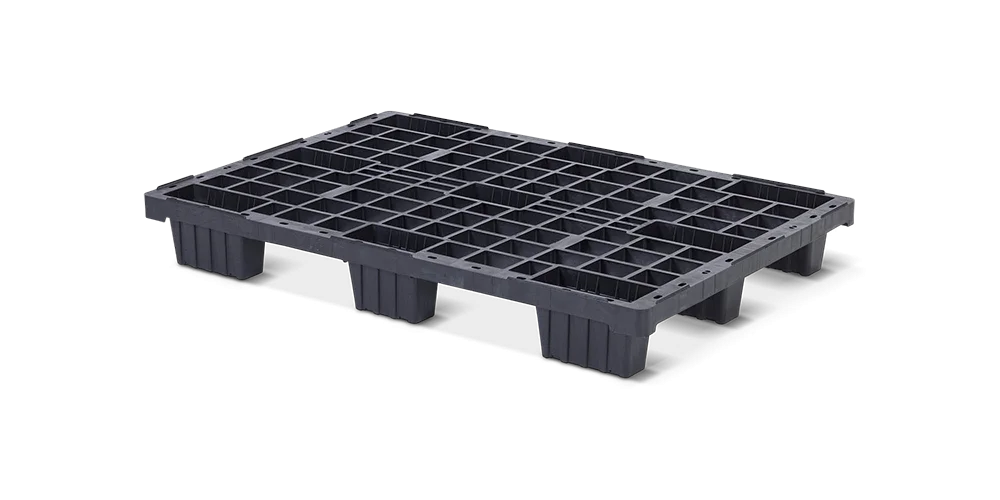
- Dimensions: 1200 x 800 x 150 mm
- Static: 2500 kg
- Dynamic: 1000 kg
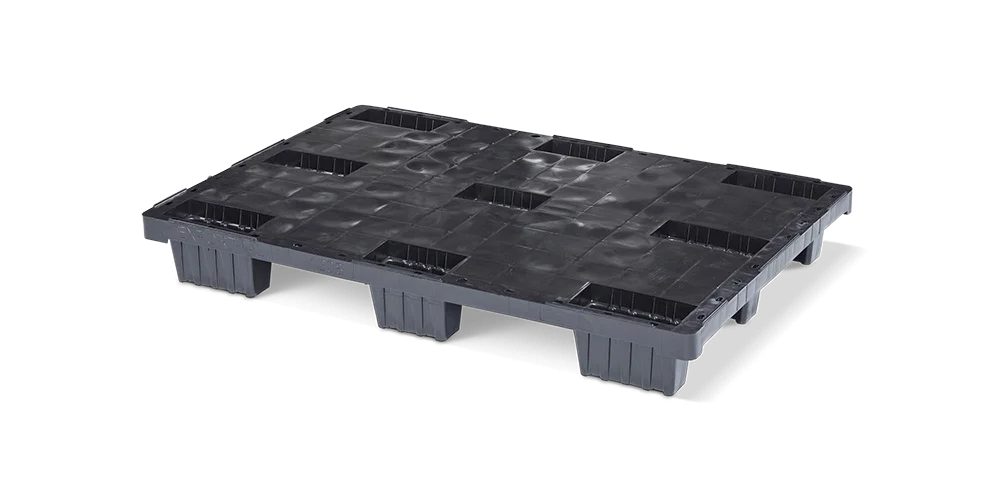
- Dimensions: 1200 x 800 x 150 mm
- Static: 2500 kg
- Dynamic: 1000 kg
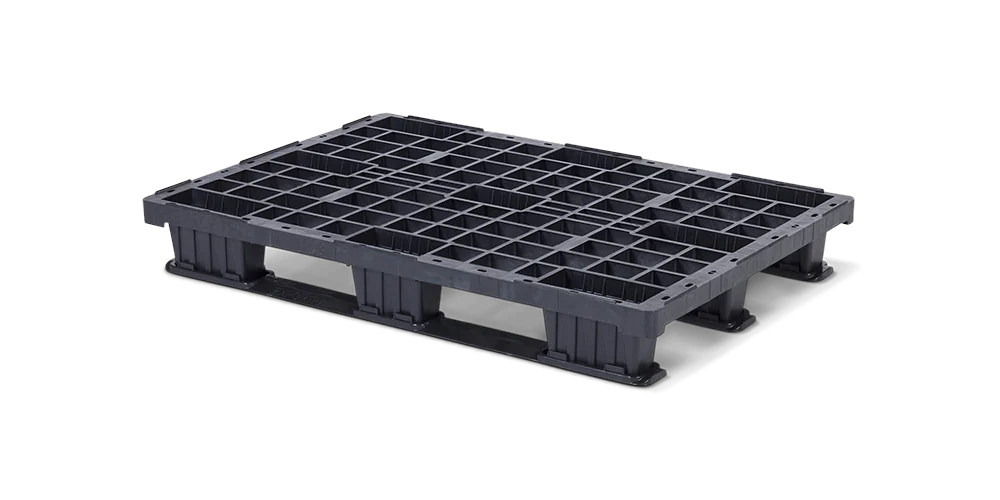
- Dimensions: 1200 x 800 x 150 mm
- Static: 2500 kg
- Dynamic: 1000 kg
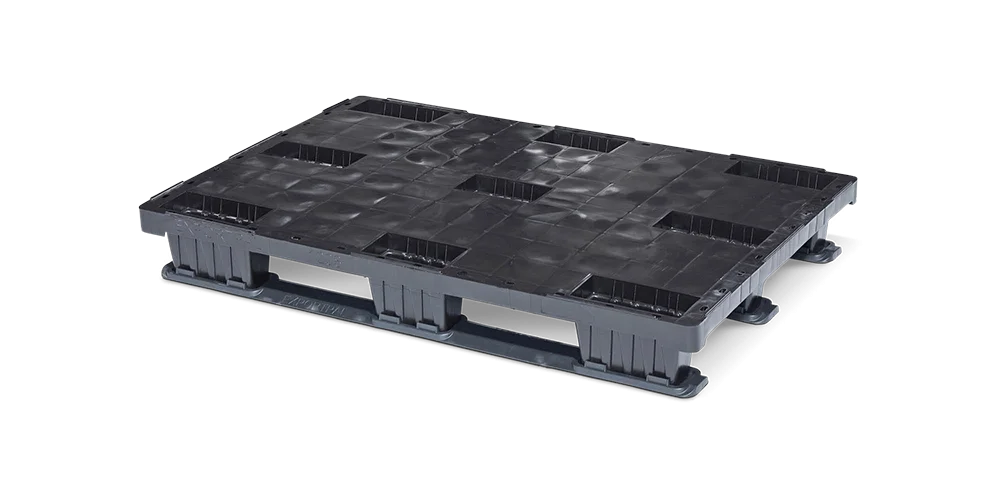
- Dimensions: 1200 x 800 x 150 mm
- Static: 2500 kg
- Dynamic: 1000 kg
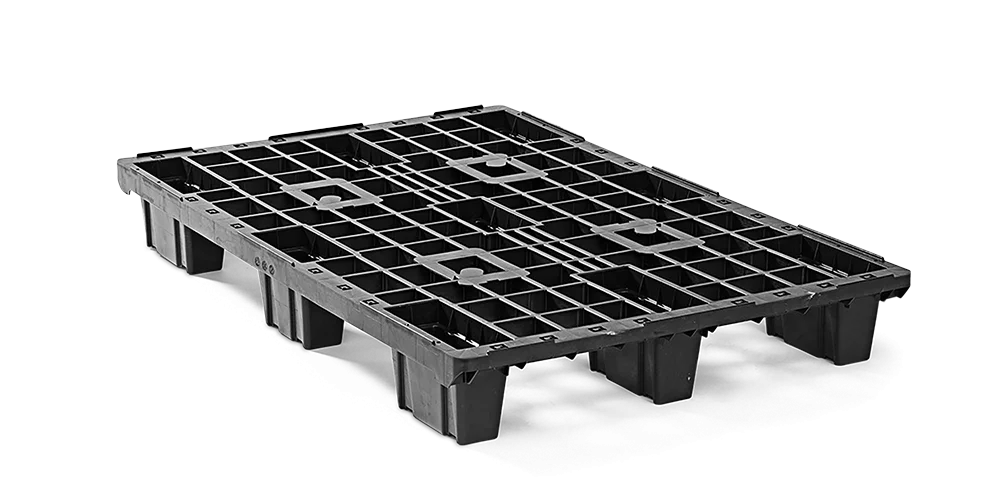
- Dimensions: 1200 x 800 x 149 mm
- Static: 2500 kg
- Dynamic: 1000 kg
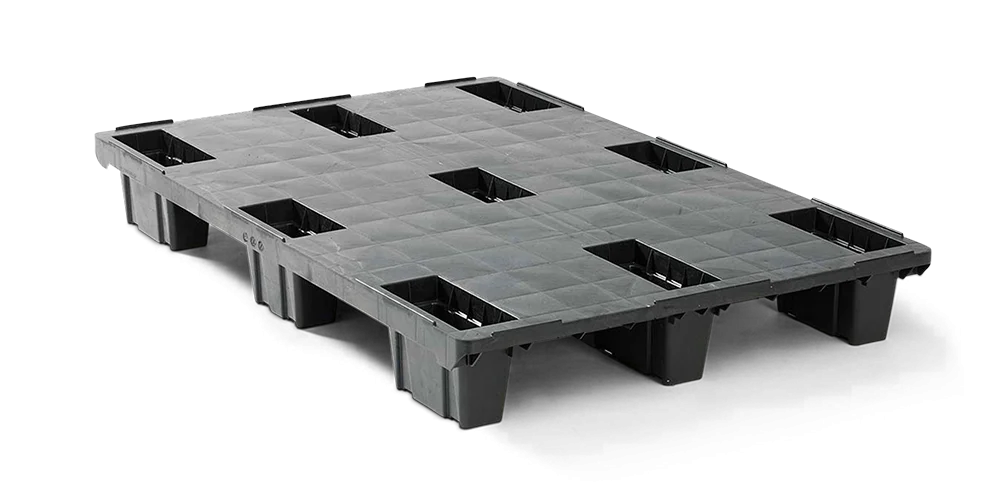
- Dimensions: 1200 x 800 x 149 mm
- Static: 2500 kg
- Dynamic: 1000 kg
Thanks to their low weight, the lightweight pallets enhance operational efficiency and contribute to a practical, ergonomic working environment. Furthermore, they reduce CO₂ emissions during transport, making them the preferred alternative for companies striving for sustainability and eco-friendliness.
A lightweight pallet for optimal performance
Our lightweight pallets are not only light and sustainable, but also engineered using modern technologies to guarantee maximum performance. Thanks to their smart design, they maintain a high load capacity, making them highly suitable for export packaging and automated warehouses. Additionally, these pallets are nestable, drastically reducing the required storage space in your facility. With a variety of models and specifications, Q-Pall consistently offers a solution tailored to your logistics requirements.
The sustainability and versatility of our lightweight pallets
Beyond weight reduction, our plastic lightweight pallets excel in durability and a long lifespan. Unlike traditional wooden pallets, which are susceptible to moisture and splintering, these dimensionally stable pallets are highly resistant to moisture, chemicals, and temperature fluctuations. They are easy to clean, meeting the strict food safety standards required in the food and pharmaceutical logistics sectors. Furthermore, Q-Pall’s lightweight pallets are fully recyclable and designed with the circular economy in mind. This ensures that old pallets are reprocessed into new products, optimizing raw material usage. If you are looking for sustainable and highly efficient pallets, our lightweight pallets are the ideal choice.
Tailored advice or ready to purchase lightweight pallets?
Are you looking for a supplier that offers more than just products? The Q-Pall team is ready to provide expert advice on large volumes, specific applications (such as ESD or hygiene), and fast deliveries.

Frequently asked questions (FAQ)
ESD stands for Electrostatic Discharge. This is a physical process where friction causes a static charge to build up, which then suddenly discharges via a spark.
1. Why is ESD a risk with plastic pallets?
Standard plastic acts as an insulator, allowing static electricity to accumulate through minimal friction. Without the proper measures, this entails two major risks:
- Explosion hazard: In environments with flammable substances or gases, a single spark can have disastrous consequences.
- Damage to electronics: Sensitive electronic components can defect or malfunction due to the discharge.
2. The solution: ESD-safe pallets from Q-Pall
To eliminate these risks, we manufacture special ESD-safe pallets. During the production process, we add specific additives to the polymer (HDPE or PP), such as conductive carbon black.
This renders the pallet conductive rather than insulating, allowing static charge to be safely dissipated to the ground. The resistance levels are precisely tuned to your specific safety requirements.
Need advice? Contact us to discuss the specific resistance requirements for your application.
The carbon footprint of a plastic pallet expresses the total environmental impact in kilograms of CO2 equivalent (kg CO2 eq.). To make this impact transparent for you, official Environmental Product Declaration (EPD) documents are available for all Q-Pall pallets.
1. What does this emission consist of?
Greenhouse gas emissions occur at various stages of the life cycle. The greatest impact usually arises during:
- Raw material extraction: Obtaining the base material.
- Production: Energy consumption during the injection molding of the pallets.
- Transport: Logistics from raw material to factory and from factory to customer.
2. How Q-Pall reduces CO2
We minimize these emissions at every step of the process. By making intensive use of recycled plastics and organizing the 'end-of-life' process (full recycling of old pallets), we significantly lower the ecological footprint compared to wooden alternatives or virgin plastic.
Do you want to dive deeper into our sustainability strategy? Read all about our vision on recycling and reduction in our Orange Values.