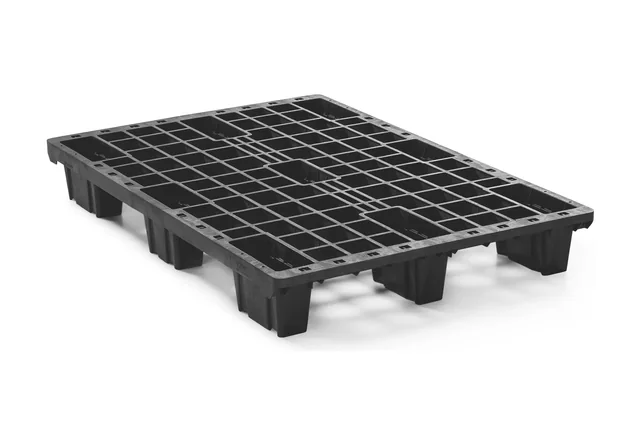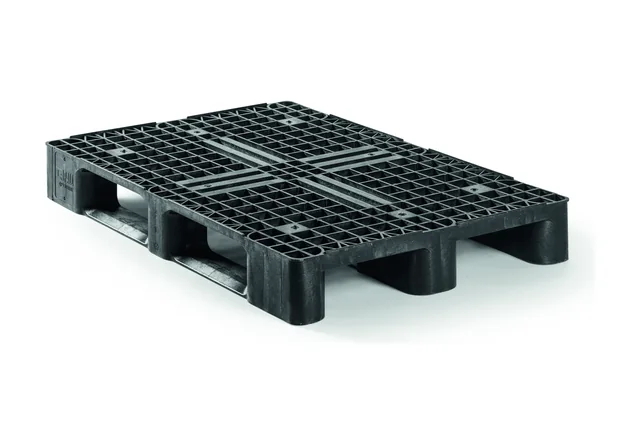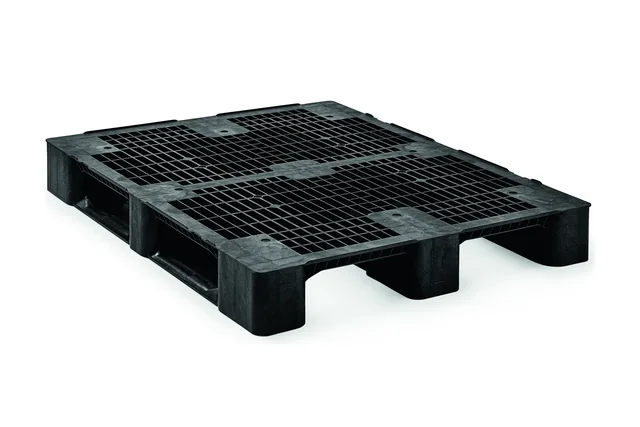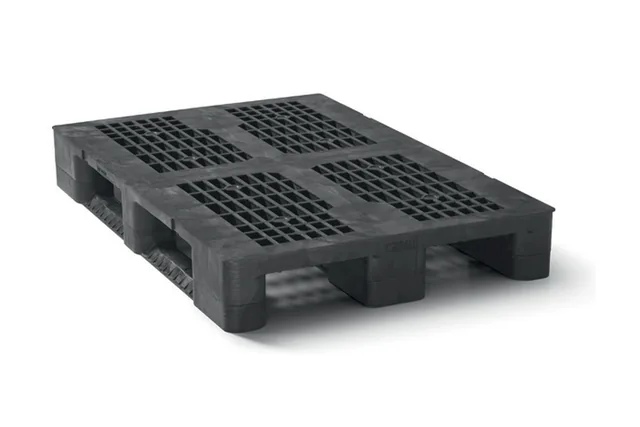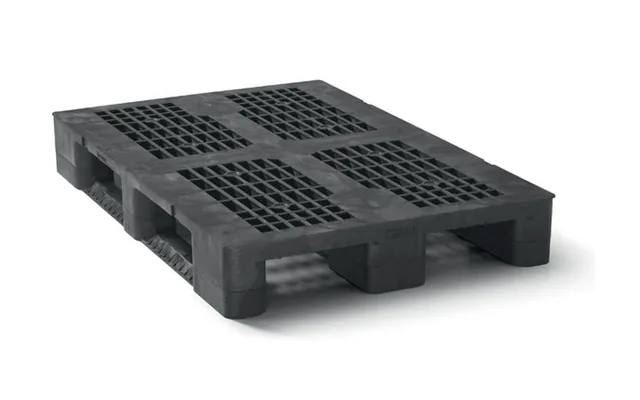

Light, medium or heavy: the biggest price factor
The load class largely determines the price, because a heavier pallet contains more plastic.
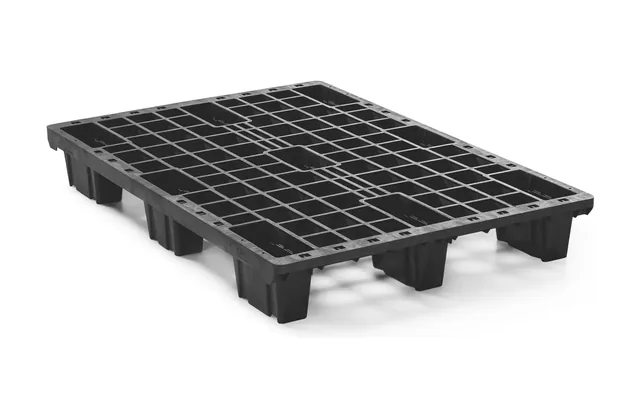
- Light: the most affordable pallets, often nestable. For export, one-off shipments and floor storage.
- Medium: the best value for money for daily use in warehousing, production and distribution.
- Heavy: the heaviest pallets, for heavy loads, high racking and years of intensive use.
What determines the price of a plastic pallet?
1. Weight and material
The biggest cost item is raw material. A heavy pallet of 25 kg contains five times as much plastic as a light pallet of 5 kg. Hence the price difference. Virgin plastic for hygienic applications is more expensive than recycled plastic.
2. Design
A closed deck uses more material than an open deck. More runners make the pallet more stable, but also heavier. Options such as anti-slip, a logo or your own colour also add to the price.
3. Quantities and delivery
With larger quantities and full truckloads, the cost per pallet goes down. The packing method also plays a role, for example waterproof-wrapped or strapped stacks.
4. Distance to the factory
Transport is a significant part of the cost. Q-Pall produces in five European factories, so the distance to you is usually small. Your quote states which factory we deliver from.
Calculate the cost per trip
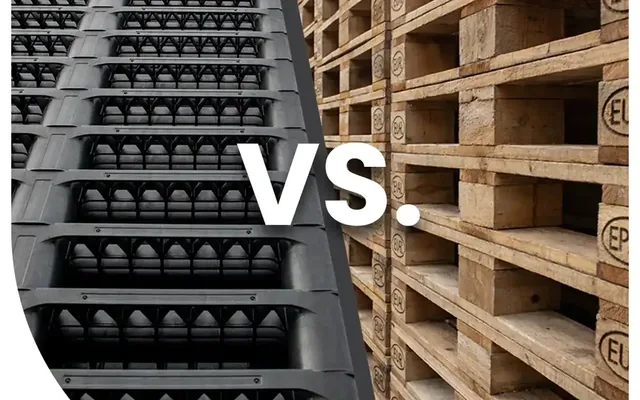
A wooden pallet seems cheap. But if it breaks after a few trips, leaves splinters in your load or first has to be treated for export, the sums work out differently. A plastic pallet lasts for many years. Divide the price by the number of trips and you see the real cost. Looking for a lower entry price? View our used plastic pallets.
Get a tailored price straight away
For an exact price including delivery to your location, request a quote. State the model, the quantity and the delivery location. We usually respond within one working day.